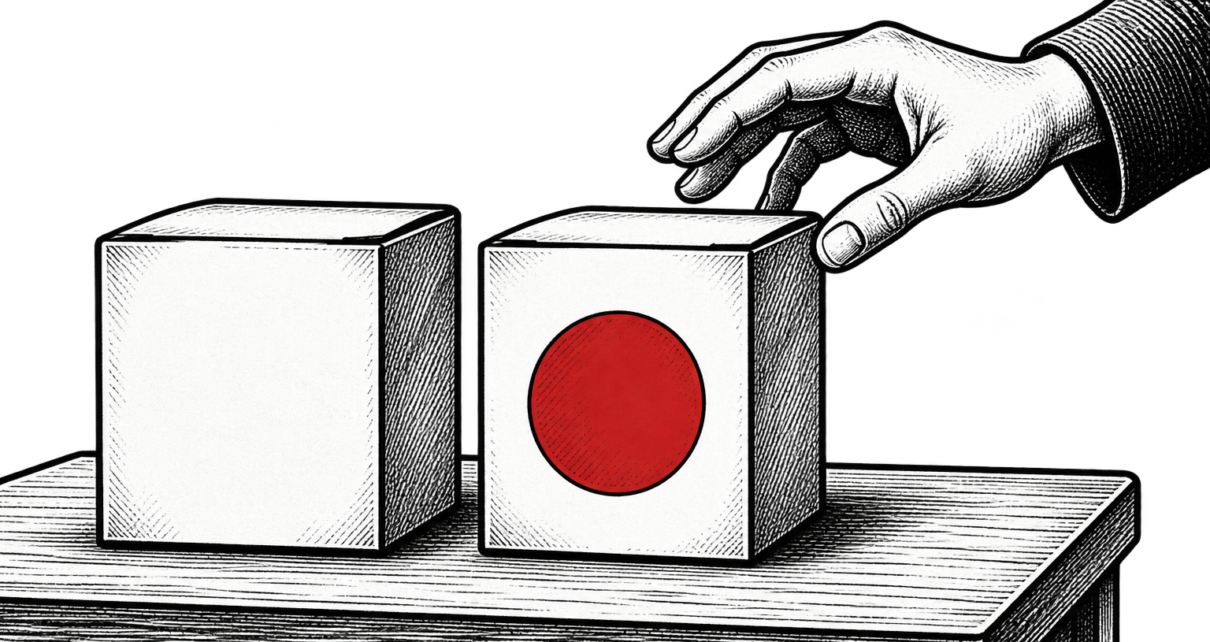
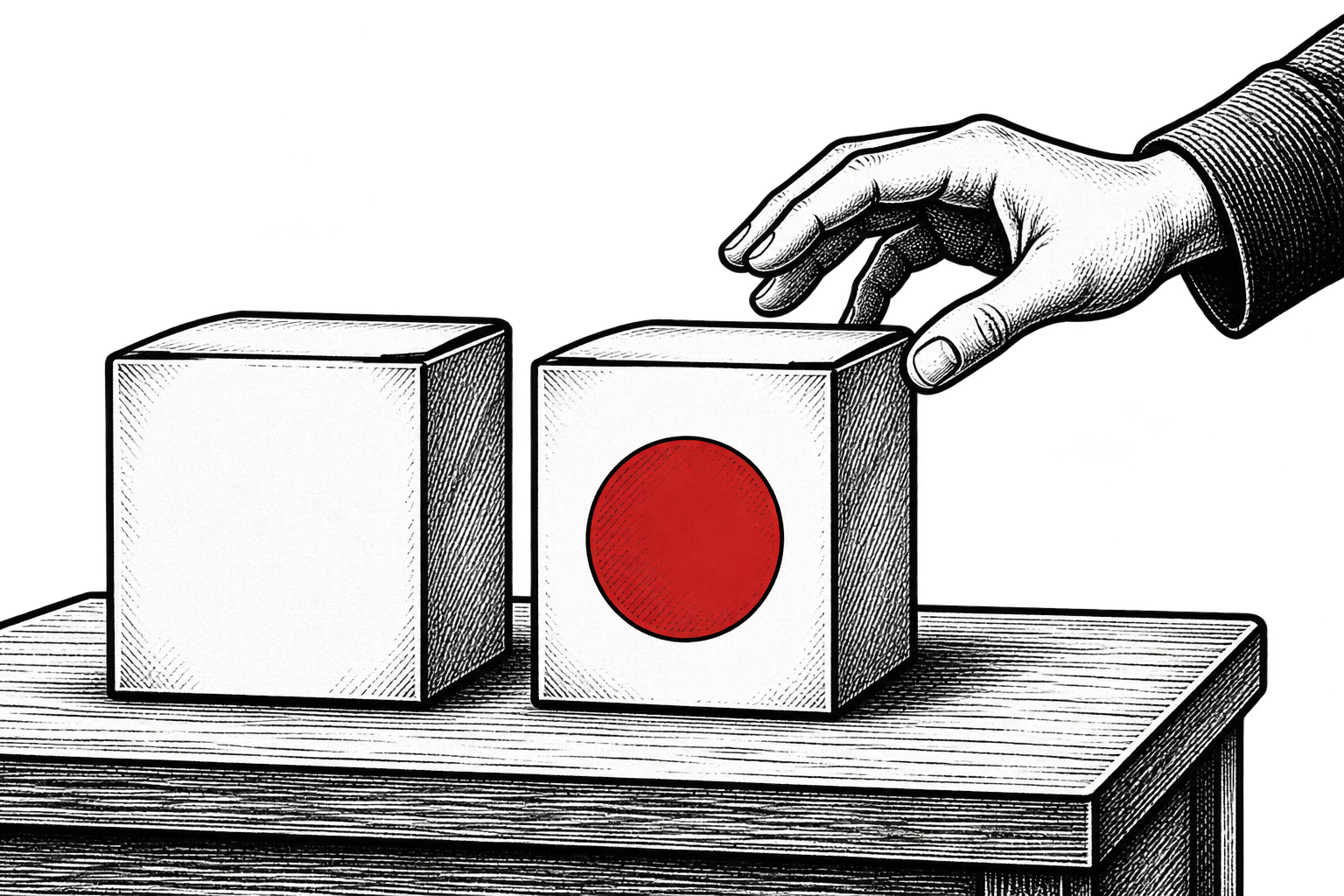
You may know exactly why your business deserves the sale. Your customer may see three companies offering roughly the same thing, each promising great service and excellent results. From that side of the screen, the choice can look very different.
I would check that gap before buying more traffic. If people cannot explain why your offer fits their situation, additional attention may simply create more confused prospects. The useful question is whether a relevant buyer can see a reason to choose you and find enough evidence to believe it.
Listen for the customer’s explanation
Show your main sales page to someone who resembles your intended customer. Let them read it without coaching. Then ask what the business offers, whom it seems intended for, and why they might choose it over another option. Ask what they would need to know before taking the next step.
Resist the urge to explain what the headline really means. That explanation is the part your website normally has to provide for itself. If several people miss the same point, you have something specific to investigate.
This is a qualitative check, not a market-wide verdict. Nielsen Norman Group’s guidance on small usability studies describes the value of small samples for identifying usability problems and distinguishes them from quantitative research. Use a few conversations to spot confusion. Do not turn four favorable reactions into a claim that 80% of customers prefer your business.
Replace adjectives with a useful difference
Quality, innovation, and commitment may all be true. They rarely explain a choice on their own. Try describing a difference a buyer can connect to a real situation: appointments available before the workday, pricing that includes installation, or reporting designed for a particular kind of business.
Each difference needs a boundary. If early appointments are available only at one location, say so. If installation excludes certain materials, make that visible. A specific promise becomes less useful when the sales conversation has to walk it back.
For example, consider a hypothetical IT service offering fixed monthly support for small dental practices. The relevant difference might be familiarity with the systems those practices use and service hours that fit their operations. “Technology solutions for modern businesses” would make customers work harder to discover that fit.
Put the evidence beside the promise
Look at every important claim and ask what a cautious buyer could inspect. A service commitment might have written terms. A product benefit might have a demonstration. An industry specialization might have relevant qualifications and examples you have permission to share.
Customer quotes can help when they describe the problem and outcome in concrete terms. They still need to be accurate and representative of what you can support. The Federal Trade Commission’s advertising guidance for small businesses explains the need for truthful claims and supporting evidence. Enthusiastic copy does not remove that responsibility.
I would rather see one believable distinction than a page full of unsupported superlatives. Buyers are deciding whether to trust you with money, time, and sometimes their reputation. Give them something they can evaluate.
Check what your promise costs to deliver
A difference can attract business and still hurt the economics. Faster turnaround might require overtime. Unlimited support might produce unpredictable service costs. Free delivery might consume the contribution from smaller orders.
Here is a hypothetical calculation. A service sells for $1,000 and leaves $400 after variable delivery costs. A new priority-service promise adds $150 in variable cost, leaving $250. If it also costs $200 to acquire the customer, only $50 remains toward fixed costs and profit. More sales alone would not make that a strong offer.
Before promoting a distinction, check the contribution you can retain and the capacity required. Sometimes the right move is a narrower promise, a different price, or a segment that values the benefit enough to pay for it.
Follow clarity through to the sale
Test a clearer explanation in one manageable place, such as a campaign page or sales introduction. Keep the audience and offer as consistent as practical. Record qualified inquiries, purchases, acquisition cost, and contribution. Ask the sales team whether the new inquiries understand the offer and whether the same objections keep appearing.
A higher click rate is a useful observation, but it does not establish a better business result. You could attract more people who are looking for something you do not sell. Allow for the normal sales cycle and acknowledge when the sample is too small to distinguish a change from ordinary variation.
Continue when the promise is understood, deliverable, and economically sensible. Revise when buyers misunderstand it. Stop promoting it when the cost of fulfilling it leaves too little contribution. The strongest reason to choose you should work for the customer and for your business.
For the numbers behind the decision, see how to calculate marketing ROI. Put the approach to work with the free marketing resources, or work with me on your marketing strategy and implementation.